From emperors and artists to everyday Romans
One city, countless layers: your route connects monuments, memory, and living culture in a way few places on earth can.
Table of Contents
How Rome became the Eternal City
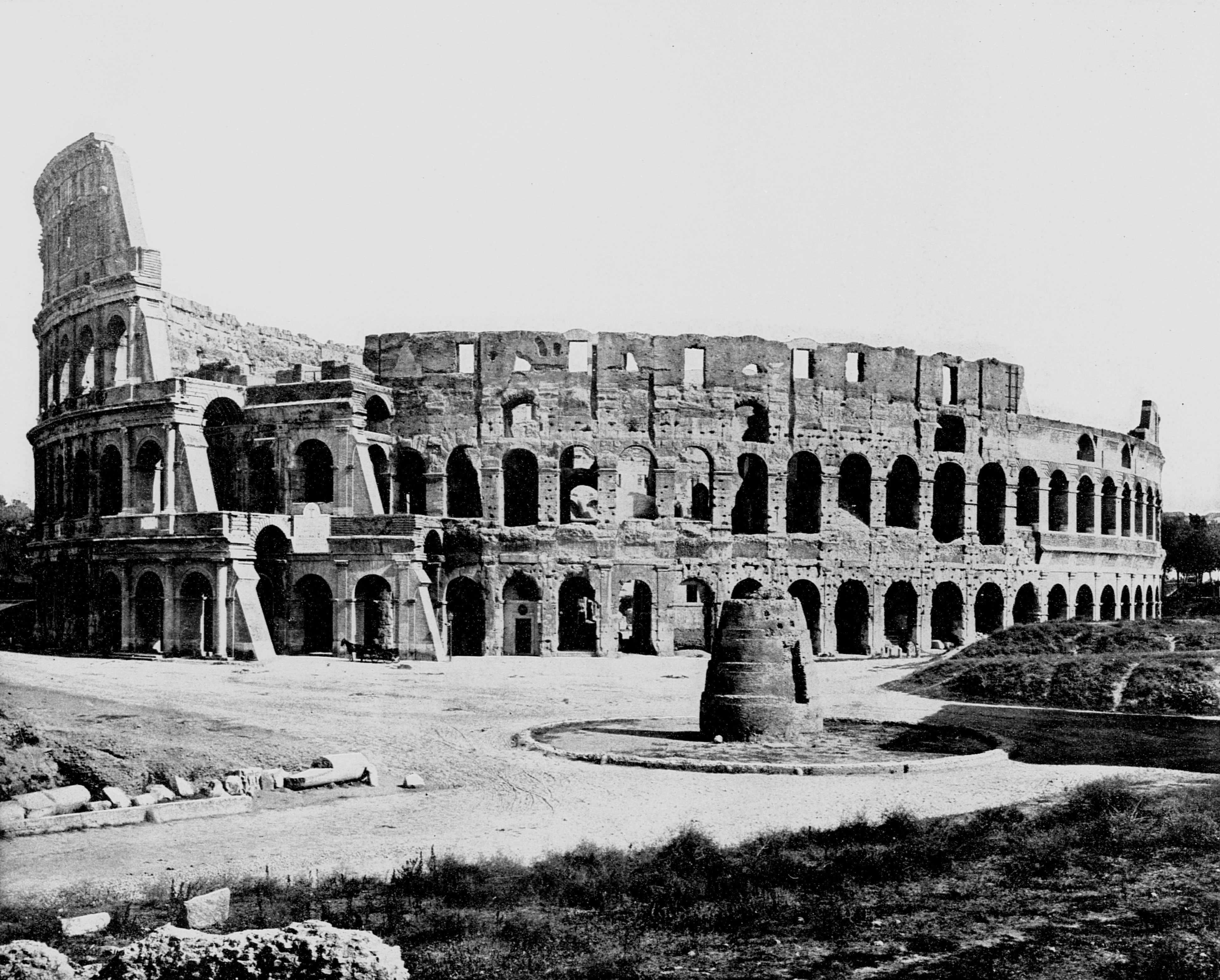
Rome did not become legendary overnight. It grew from a settlement near the Tiber into a republic, then an empire that shaped law, engineering, language, and urban life across continents. Roads, aqueducts, amphitheaters, and forums were not just monuments of pride; they were systems that held together a vast political world. Even today, when you trace your route with the Rome Tourist Card, you are effectively walking inside the blueprint of a civilization that still influences how modern cities think, build, and govern.
What makes Rome so emotionally powerful is continuity. Empires fell, dynasties changed, and new beliefs transformed institutions, yet the city kept reinventing itself without erasing its past. Ancient columns became part of medieval churches, Renaissance palaces rose beside older foundations, and modern life now flows around ruins as if they were old neighbors. In Rome, history is not behind glass. It stands at street level, in sunlight, in traffic, in café conversations, and in the stone beneath your shoes.
Colosseum and the theater of power
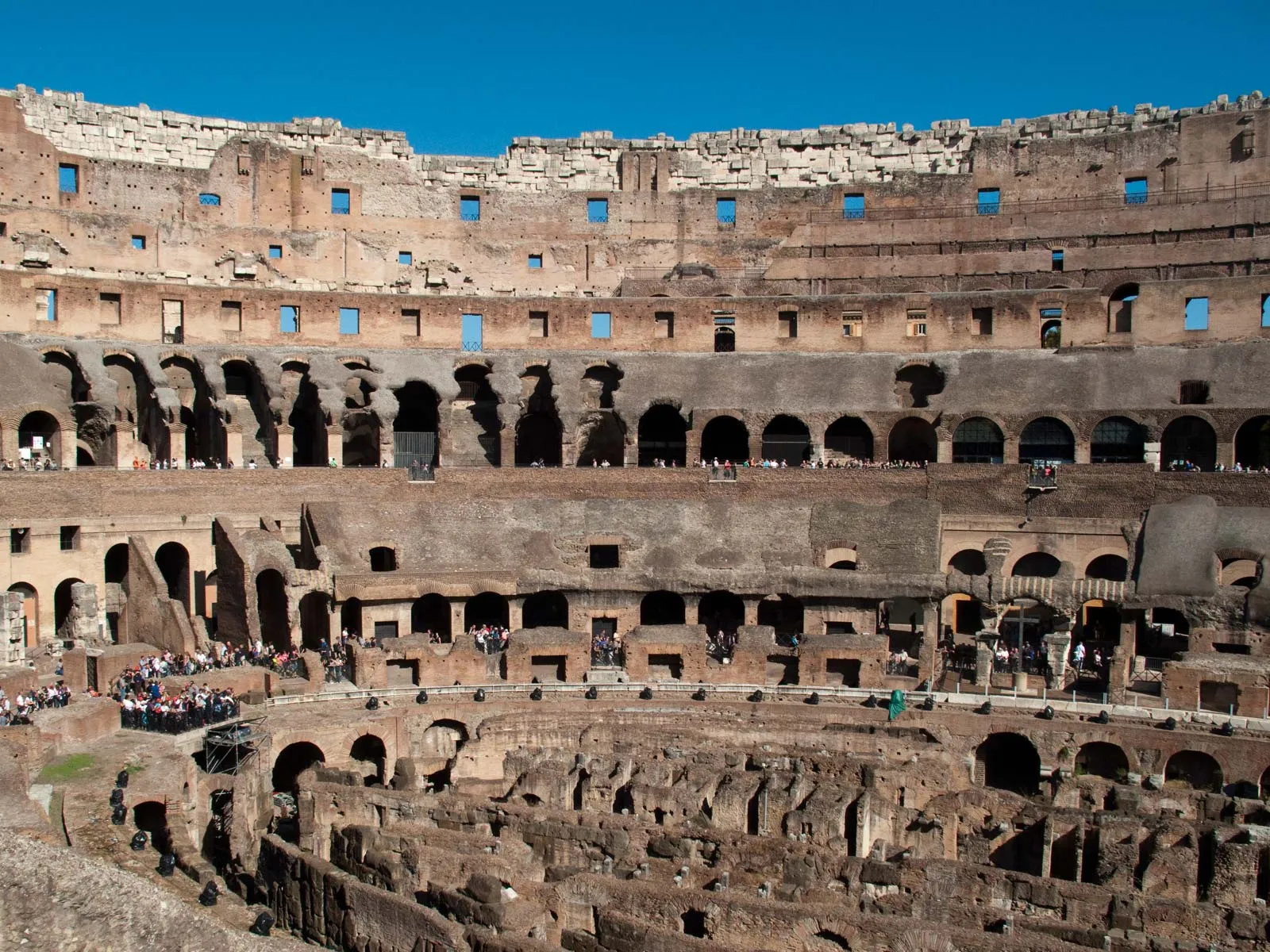
The Colosseum is often introduced as a place of spectacle, and that is true, but it was also a masterclass in state messaging. Built in the first century CE, the amphitheater embodied imperial authority through architecture, logistics, and ceremony. Tens of thousands of spectators could enter and exit efficiently, a technical achievement that still impresses modern planners. The events staged there were complex social performances, blending entertainment, hierarchy, propaganda, and collective identity.
When you stand inside today, the scale can feel almost cinematic, yet the details pull you closer: numbered entrances, seating tiers by status, traces of machinery below the arena floor. It becomes easier to imagine the sound, the anticipation, and the choreography of ancient public life. Visiting with context transforms the monument from a famous photo stop into a lens for understanding how power once looked, sounded, and felt in everyday Roman experience.
Forum life: politics, markets, and ritual
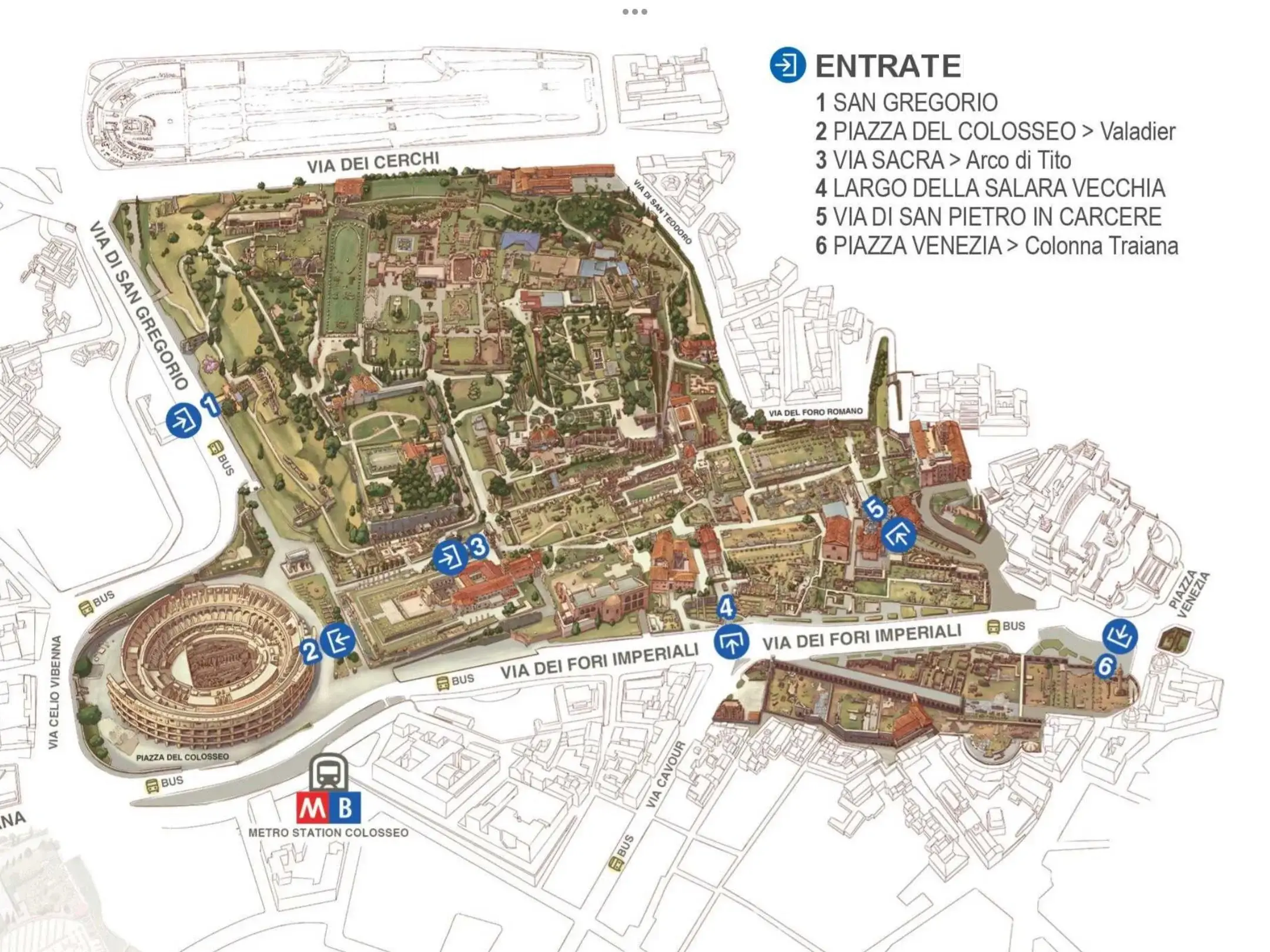
The Roman Forum was not a single-purpose site; it was the city’s civic engine. Here, senators debated, magistrates announced laws, merchants traded, priests led rituals, and citizens gathered to witness decisions that affected the empire. Temples and basilicas were more than architectural statements; they were instruments in a social system where religion, law, economy, and politics constantly intersected.
Walking through the Forum now can seem chaotic at first, a sea of ruins and fragments. But once you understand that each structure played a role in collective life, the landscape becomes legible. You begin to read space historically: this platform for speeches, that temple for legitimacy, those roads for processions, this arch for memory. It is a remarkable classroom under open sky, and one of the most rewarding sections of any Rome Tourist Card itinerary.
Palatine Hill and the myth of origins
Palatine Hill is where myth and power meet. Tradition places the story of Romulus and Remus in this landscape, linking Rome’s identity to a narrative of foundation, fate, and rivalry. Centuries later, emperors chose the same hill for their residences, turning symbolic geography into political geography. To live on the Palatine was to inhabit both prestige and narrative authority.
Today, the hill offers a slower and often quieter perspective than the Colosseum basin below. Among pines, garden terraces, and palace remains, you can sense how rulers designed space to communicate permanence. The views over the Forum and Circus Maximus are not just beautiful; they explain why control of this elevated ground mattered so much. A visit here completes the Ancient Rome triangle and adds emotional depth to the broader story.
From empire to Christian Rome
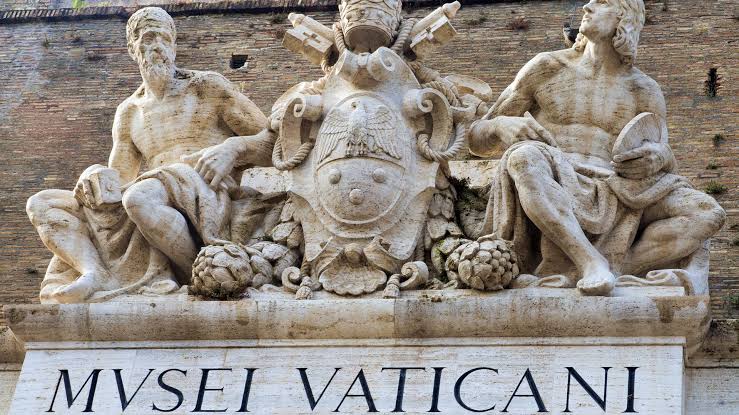
As imperial structures transformed and Christianity spread, Rome evolved without abandoning its physical inheritance. Pagan temples were adapted, basilica forms took on new sacred functions, and pilgrimage routes redefined urban movement. This transition was gradual, complex, and layered, not a clean architectural reset. The city became a vast palimpsest where new meanings were written over older forms while traces remained visible.
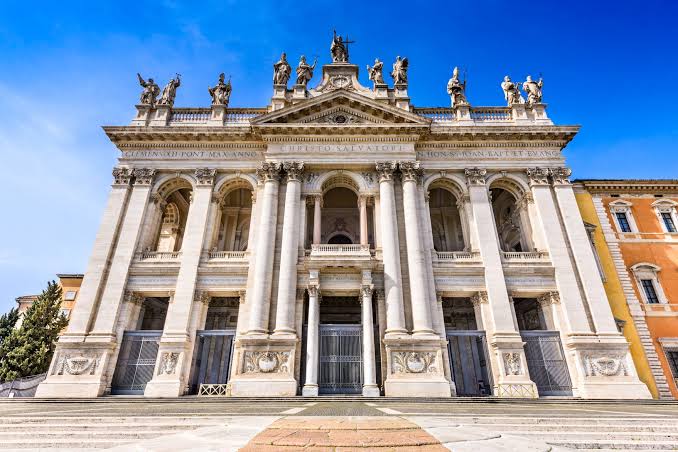
That is why Rome feels so singular: the same district can hold republican stones, imperial masonry, medieval bell towers, and Baroque façades within a short walk. Your card journey is not merely a set of entries; it is an encounter with continuity through change. Few destinations make transformation so physically readable at street level.
Renaissance genius and Baroque drama
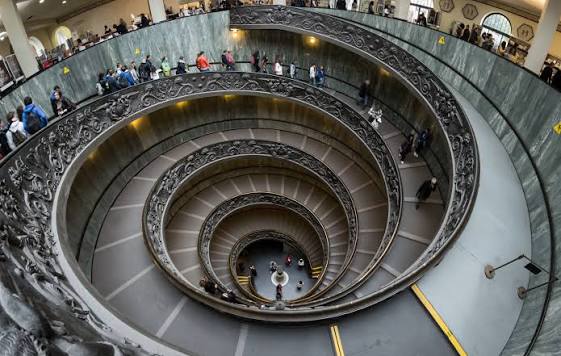
From the fifteenth century onward, Rome reasserted itself as a center of artistic ambition. Popes, patrons, and architects competed to shape a city worthy of global influence. Michelangelo, Raphael, Bernini, and Borromini left marks that still define the visual language of Rome: grand perspectives, theatrical light, sculptural movement, and urban spaces designed to create emotion.
In practical terms, this means your walking intervals between major card attractions are never empty. A side street may reveal a masterpiece church interior; a small square may open to a fountain of extraordinary inventiveness. Rome invites you to look up, pause, and let unplanned beauty interrupt your schedule in the best possible way.
Vatican collections and global heritage
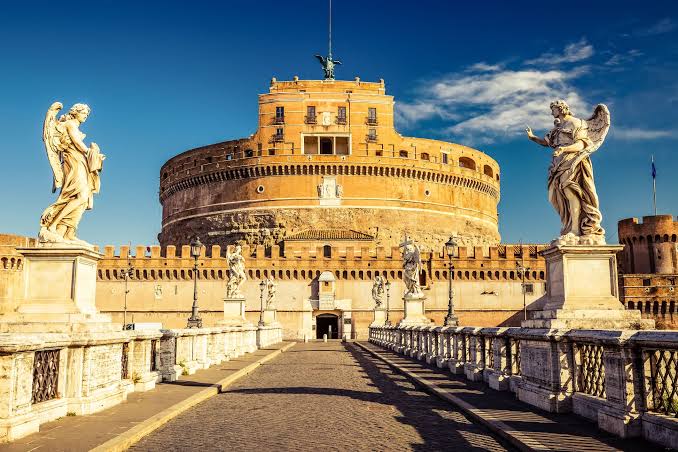
The Vatican Museums are not just a sequence of beautiful rooms. They are a concentrated archive of civilizations, collecting art and artifacts that span centuries and geographies. Classical sculpture, map galleries, tapestries, and fresco cycles sit in dialogue, revealing how cultures preserve, reinterpret, and transmit meaning through objects.
The Sistine Chapel often becomes the emotional peak, yet the approach matters too. Corridor by corridor, the visit builds narrative momentum until the ceiling frescoes and altar wall appear not as isolated icons, but as part of a wider human conversation about faith, creation, judgment, and hope. Timing this experience well with your card can turn a potentially stressful visit into one of the most memorable moments of your trip.
Walking Rome: streets, fountains, piazzas
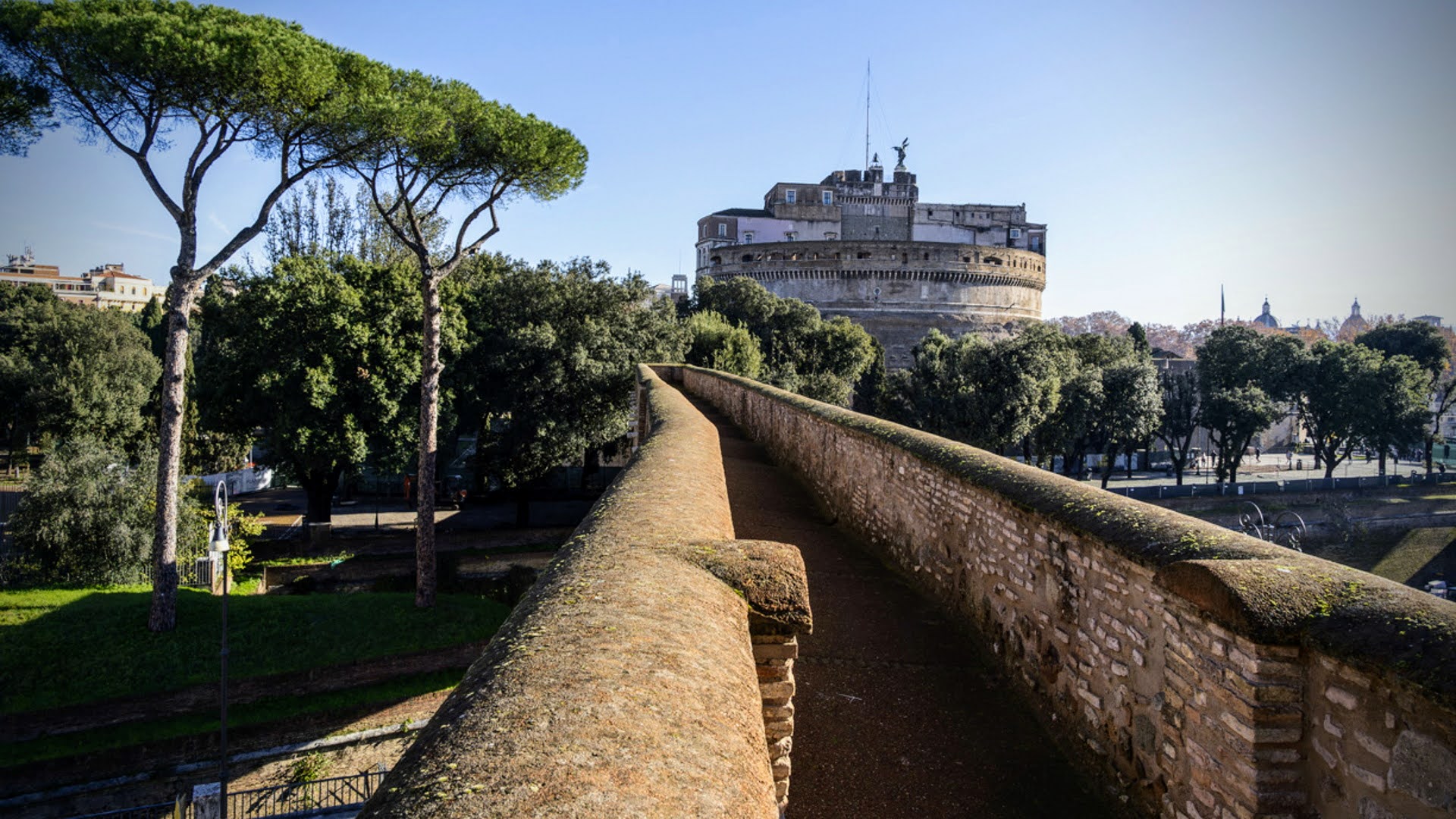
Beyond ticketed monuments, Rome’s open-air heritage is astonishing. Streets curve around ancient footprints, piazzas function as social stages, and fountains provide both ornament and orientation. Places such as Piazza Navona, Campo de’ Fiori, the Pantheon surroundings, and the Trevi district are not museum zones frozen in time; they are active urban rooms where daily life unfolds.
This is where your itinerary breathes. Between structured entries, you can absorb texture: worn stone steps, church bells, espresso counters, market voices, and evening passeggiata rituals. The city’s identity emerges in these transitions. Planning with the card gives you certainty for major sites and freedom for everything in between.
Food, neighborhoods, and local rhythm
Rome is also tasted, not only seen. Different neighborhoods offer distinct atmospheres, from elegant avenues to bohemian lanes and family-run trattorie streets. A day structured around card reservations becomes richer when anchored by simple local habits: a cappuccino standing at the bar, a long lunch away from major queues, or a twilight gelato walk beside illuminated ruins.
Travelers who leave room for these pauses usually remember Rome more vividly. Monumental art inspires awe, but neighborhood rhythm creates attachment. The best itineraries balance both: major heritage at the right hours, then unhurried moments that let the city feel personal.
Using your card with strategy
Smart planning starts with realistic energy management. Reserve your most demanding visits for your freshest hours, group nearby attractions on the same day, and avoid cross-city zigzags during peak traffic. Think in zones: Ancient Rome cluster, Vatican cluster, and historic-center walking cluster.
Also plan for contingencies. Weather, transit delays, or slower-than-expected security checks can happen. A strong Rome Tourist Card strategy includes buffer time, backup café stops, and a willingness to simplify if needed. Counterintuitively, the more breathing room you build, the more you usually see and enjoy.
Respecting heritage and daily life
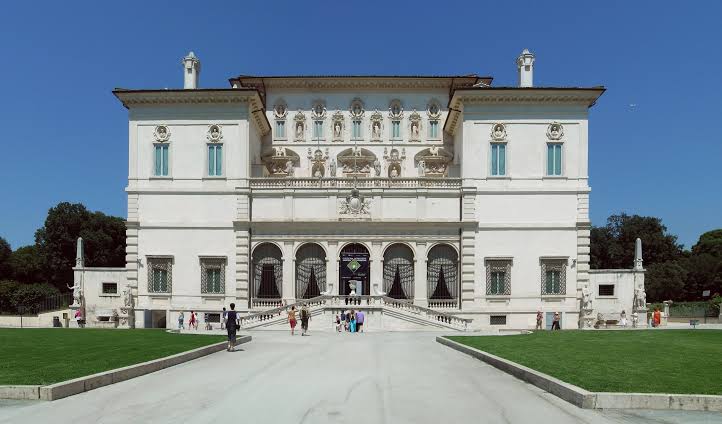
Rome’s monuments are globally famous but locally lived. Residents commute past ruins, worship in historic churches, and share public spaces with millions of visitors each year. Responsible travel matters: follow site rules, avoid touching fragile surfaces, keep noise moderate in sacred places, and dispose of waste thoughtfully.
Choosing legitimate tickets and verified providers supports conservation and helps preserve access for future generations. Every respectful decision, however small, contributes to the long-term care of a city that belongs both to its residents and to world heritage.
Hidden viewpoints and side detours
Once your key entries are secured, Rome opens up beautifully through short detours. A terrace viewpoint, a quieter church with major art, or a less crowded archaeological corner can become the highlight of the day. These moments often require only thirty to sixty minutes and transform a checklist itinerary into a deeply personal journey.
If your schedule allows, use late afternoon for scenic overlooks and neighborhood transitions. Light softens, temperatures drop, and the city turns golden. It is an ideal time to reflect on what you have seen and to appreciate Rome not just as a destination, but as a layered living landscape.
Why Rome rewards slower travel
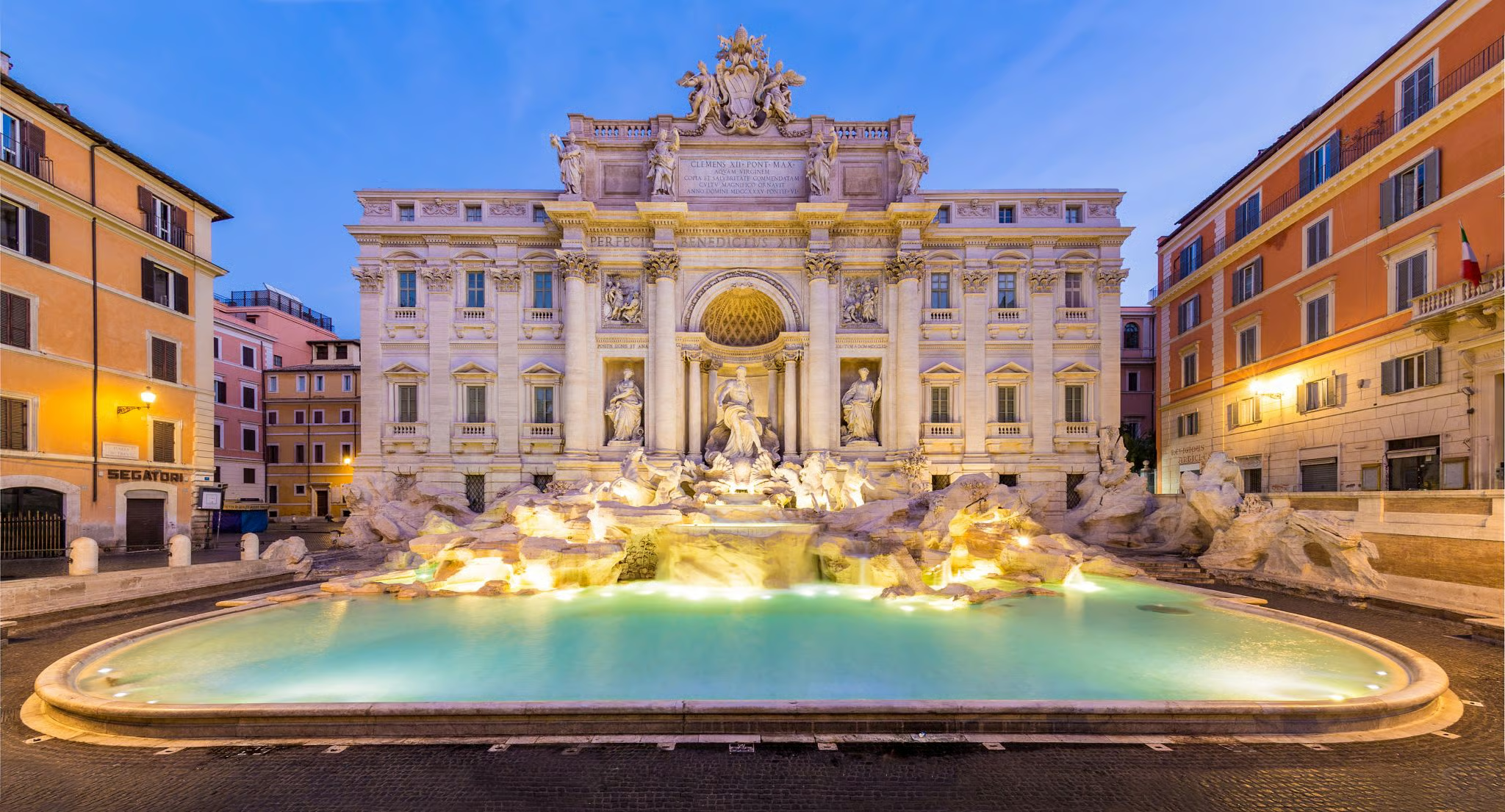
Rome can tempt you into racing from icon to icon, but the city reveals its soul to travelers who slow down. A card helps you handle logistics efficiently, yet the real magic happens in pauses: listening to footsteps in a cloister, reading an inscription carefully, or watching evening life gather in a small piazza.
By the end of your trip, what stays with you is not only the grandeur of the Colosseum or the brilliance of the Sistine ceiling. It is the layered feeling of continuity, beauty, and humanity. The Rome Tourist Card is best used as a tool for presence: less queue anxiety, more attention, and a deeper relationship with one of the world’s most storied cities.
Table of Contents
How Rome became the Eternal City
Rome did not become legendary overnight. It grew from a settlement near the Tiber into a republic, then an empire that shaped law, engineering, language, and urban life across continents. Roads, aqueducts, amphitheaters, and forums were not just monuments of pride; they were systems that held together a vast political world. Even today, when you trace your route with the Rome Tourist Card, you are effectively walking inside the blueprint of a civilization that still influences how modern cities think, build, and govern.
What makes Rome so emotionally powerful is continuity. Empires fell, dynasties changed, and new beliefs transformed institutions, yet the city kept reinventing itself without erasing its past. Ancient columns became part of medieval churches, Renaissance palaces rose beside older foundations, and modern life now flows around ruins as if they were old neighbors. In Rome, history is not behind glass. It stands at street level, in sunlight, in traffic, in café conversations, and in the stone beneath your shoes.
Colosseum and the theater of power
The Colosseum is often introduced as a place of spectacle, and that is true, but it was also a masterclass in state messaging. Built in the first century CE, the amphitheater embodied imperial authority through architecture, logistics, and ceremony. Tens of thousands of spectators could enter and exit efficiently, a technical achievement that still impresses modern planners. The events staged there were complex social performances, blending entertainment, hierarchy, propaganda, and collective identity.
When you stand inside today, the scale can feel almost cinematic, yet the details pull you closer: numbered entrances, seating tiers by status, traces of machinery below the arena floor. It becomes easier to imagine the sound, the anticipation, and the choreography of ancient public life. Visiting with context transforms the monument from a famous photo stop into a lens for understanding how power once looked, sounded, and felt in everyday Roman experience.
Forum life: politics, markets, and ritual
The Roman Forum was not a single-purpose site; it was the city’s civic engine. Here, senators debated, magistrates announced laws, merchants traded, priests led rituals, and citizens gathered to witness decisions that affected the empire. Temples and basilicas were more than architectural statements; they were instruments in a social system where religion, law, economy, and politics constantly intersected.
Walking through the Forum now can seem chaotic at first, a sea of ruins and fragments. But once you understand that each structure played a role in collective life, the landscape becomes legible. You begin to read space historically: this platform for speeches, that temple for legitimacy, those roads for processions, this arch for memory. It is a remarkable classroom under open sky, and one of the most rewarding sections of any Rome Tourist Card itinerary.
Palatine Hill and the myth of origins
Palatine Hill is where myth and power meet. Tradition places the story of Romulus and Remus in this landscape, linking Rome’s identity to a narrative of foundation, fate, and rivalry. Centuries later, emperors chose the same hill for their residences, turning symbolic geography into political geography. To live on the Palatine was to inhabit both prestige and narrative authority.
Today, the hill offers a slower and often quieter perspective than the Colosseum basin below. Among pines, garden terraces, and palace remains, you can sense how rulers designed space to communicate permanence. The views over the Forum and Circus Maximus are not just beautiful; they explain why control of this elevated ground mattered so much. A visit here completes the Ancient Rome triangle and adds emotional depth to the broader story.
From empire to Christian Rome
As imperial structures transformed and Christianity spread, Rome evolved without abandoning its physical inheritance. Pagan temples were adapted, basilica forms took on new sacred functions, and pilgrimage routes redefined urban movement. This transition was gradual, complex, and layered, not a clean architectural reset. The city became a vast palimpsest where new meanings were written over older forms while traces remained visible.
That is why Rome feels so singular: the same district can hold republican stones, imperial masonry, medieval bell towers, and Baroque façades within a short walk. Your card journey is not merely a set of entries; it is an encounter with continuity through change. Few destinations make transformation so physically readable at street level.
Renaissance genius and Baroque drama
From the fifteenth century onward, Rome reasserted itself as a center of artistic ambition. Popes, patrons, and architects competed to shape a city worthy of global influence. Michelangelo, Raphael, Bernini, and Borromini left marks that still define the visual language of Rome: grand perspectives, theatrical light, sculptural movement, and urban spaces designed to create emotion.
In practical terms, this means your walking intervals between major card attractions are never empty. A side street may reveal a masterpiece church interior; a small square may open to a fountain of extraordinary inventiveness. Rome invites you to look up, pause, and let unplanned beauty interrupt your schedule in the best possible way.
Vatican collections and global heritage
The Vatican Museums are not just a sequence of beautiful rooms. They are a concentrated archive of civilizations, collecting art and artifacts that span centuries and geographies. Classical sculpture, map galleries, tapestries, and fresco cycles sit in dialogue, revealing how cultures preserve, reinterpret, and transmit meaning through objects.
The Sistine Chapel often becomes the emotional peak, yet the approach matters too. Corridor by corridor, the visit builds narrative momentum until the ceiling frescoes and altar wall appear not as isolated icons, but as part of a wider human conversation about faith, creation, judgment, and hope. Timing this experience well with your card can turn a potentially stressful visit into one of the most memorable moments of your trip.
Walking Rome: streets, fountains, piazzas
Beyond ticketed monuments, Rome’s open-air heritage is astonishing. Streets curve around ancient footprints, piazzas function as social stages, and fountains provide both ornament and orientation. Places such as Piazza Navona, Campo de’ Fiori, the Pantheon surroundings, and the Trevi district are not museum zones frozen in time; they are active urban rooms where daily life unfolds.
This is where your itinerary breathes. Between structured entries, you can absorb texture: worn stone steps, church bells, espresso counters, market voices, and evening passeggiata rituals. The city’s identity emerges in these transitions. Planning with the card gives you certainty for major sites and freedom for everything in between.
Food, neighborhoods, and local rhythm
Rome is also tasted, not only seen. Different neighborhoods offer distinct atmospheres, from elegant avenues to bohemian lanes and family-run trattorie streets. A day structured around card reservations becomes richer when anchored by simple local habits: a cappuccino standing at the bar, a long lunch away from major queues, or a twilight gelato walk beside illuminated ruins.
Travelers who leave room for these pauses usually remember Rome more vividly. Monumental art inspires awe, but neighborhood rhythm creates attachment. The best itineraries balance both: major heritage at the right hours, then unhurried moments that let the city feel personal.
Using your card with strategy
Smart planning starts with realistic energy management. Reserve your most demanding visits for your freshest hours, group nearby attractions on the same day, and avoid cross-city zigzags during peak traffic. Think in zones: Ancient Rome cluster, Vatican cluster, and historic-center walking cluster.
Also plan for contingencies. Weather, transit delays, or slower-than-expected security checks can happen. A strong Rome Tourist Card strategy includes buffer time, backup café stops, and a willingness to simplify if needed. Counterintuitively, the more breathing room you build, the more you usually see and enjoy.
Respecting heritage and daily life
Rome’s monuments are globally famous but locally lived. Residents commute past ruins, worship in historic churches, and share public spaces with millions of visitors each year. Responsible travel matters: follow site rules, avoid touching fragile surfaces, keep noise moderate in sacred places, and dispose of waste thoughtfully.
Choosing legitimate tickets and verified providers supports conservation and helps preserve access for future generations. Every respectful decision, however small, contributes to the long-term care of a city that belongs both to its residents and to world heritage.
Hidden viewpoints and side detours
Once your key entries are secured, Rome opens up beautifully through short detours. A terrace viewpoint, a quieter church with major art, or a less crowded archaeological corner can become the highlight of the day. These moments often require only thirty to sixty minutes and transform a checklist itinerary into a deeply personal journey.
If your schedule allows, use late afternoon for scenic overlooks and neighborhood transitions. Light softens, temperatures drop, and the city turns golden. It is an ideal time to reflect on what you have seen and to appreciate Rome not just as a destination, but as a layered living landscape.
Why Rome rewards slower travel
Rome can tempt you into racing from icon to icon, but the city reveals its soul to travelers who slow down. A card helps you handle logistics efficiently, yet the real magic happens in pauses: listening to footsteps in a cloister, reading an inscription carefully, or watching evening life gather in a small piazza.
By the end of your trip, what stays with you is not only the grandeur of the Colosseum or the brilliance of the Sistine ceiling. It is the layered feeling of continuity, beauty, and humanity. The Rome Tourist Card is best used as a tool for presence: less queue anxiety, more attention, and a deeper relationship with one of the world’s most storied cities.